Most restroom trailer quotes look simple until the final bill doesn’t match the number you started with. That’s where many event planners and project managers get caught off guard. The base rental might seem straightforward, but costs like delivery, servicing, and utilities can quietly add up.
With the U.S. event industry continuing to expand, as reflected in Grand View Research data, demand for temporary restroom solutions has increased, and so has the need for clearer pricing. In New Jersey, providers like Restroom Resources often help break down these layers early, so you understand exactly what you’re paying for before making a decision.
What Is Included in Restroom Trailer Rental Pricing?
When you’re quoted a price, say $1,200 to $1,400 for a 2-stall trailer over a weekend, it typically includes the essentials needed for standard use.
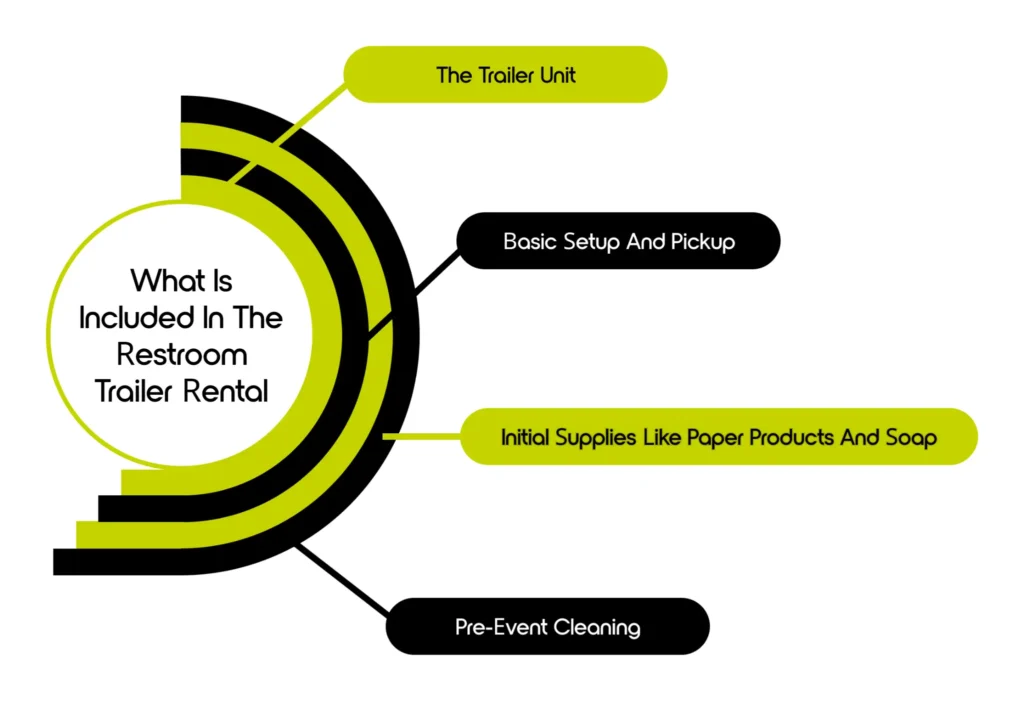
This base pricing works well for short-duration events with moderate usage. But once usage increases or logistics become more complex, additional costs may apply.
What Costs Extra in Restroom Trailer Rentals?
While the base price gives you a starting point, the final cost depends on how the trailer is used during your event.
Additional costs may apply when:
- The event runs longer than expected
- Guest usage is higher than planned
- Power or water access isn’t readily available
For example, a small wedding may stay within base pricing, while a longer or high-traffic event may require adjustments. The base rental price reflects standard usage, but the total cost depends on real event conditions.
Are Luxury Restroom Trailers Worth It?
It depends on your event expectations. The value of a luxury restroom trailer depends on the type of event you’re planning.
For weddings and formal events, they provide:
- Better comfort
- Improved hygiene experience
- A more refined overall impression
So, yes, luxury restroom trailers are worth the cost when guest experience is a priority, not just functionality.
Renting vs Buying a Restroom Trailer (6-Month Projects)
For long-term projects, the question often becomes whether to rent or buy.
| Renting is ideal when | Buying may make sense when |
| Duration is short-term or uncertain | Usage is continuous over several months |
| Maintenance is handled externally | You have the ability to maintain and service the unit |
| Flexibility is needed | Long-term costs begin to outweigh the rental costs |
For most event-based use cases, renting remains the more practical option.
Real Cost Example: Wedding Event in New Jersey
To give you a clear benchmark:
- 2 stall restroom trailer: $1,200 – $1,400 (weekend rental)
- 4 stall restroom trailer: $1,900 – $2,300 (weekend rental)
- 10 stall restroom trailer: $3,500 – $4,500 (weekend rental)
These ranges reflect typical pricing but may vary based on:
- Rental duration
- Hours of use
- Distance from the service yard
- Event location and setup requirements
Restroom trailer pricing is always adjusted to match the event, not the other way around.
How to Budget Restroom Trailer Costs (Step-by-Step)
To avoid surprises, budgeting should go beyond base pricing.
A simple approach:
- Start with your event type and duration
- Estimate guest count and usage level
- Add delivery and setup considerations
- Factor in utilities (power and water)
- Plan for servicing if needed
This helps create a realistic expectation of total cost.
Restroom Trailer Costs in New Jersey
Across New Jersey, restroom trailer pricing is influenced by:
- Event density in certain areas
- Travel distances
- Seasonal demand patterns
Outdoor weddings, corporate events, and temporary venues often require full-service setups, which makes understanding total cost even more important.
Restroom Resources supports events across New Jersey by helping planners align restroom trailer costs with real event conditions, ensuring both clarity and reliability.
Cost Breakdown Overview
| Cost Component | What It Covers |
| Base Rental | Trailer + standard setup |
| Delivery | Transport to the site |
| Setup | Placement and leveling |
| Servicing | Cleaning/pump-out if needed |
| Utilities | Power and water (if required) |
| Extended Time | Additional rental hours |
Key Takeaway
Understanding restroom trailer pricing comes down to clarity around what’s included and what can influence the final cost. While a 2-stall restroom trailer typically starts in the $1,200–$1,400 range for a weekend, factors like event duration, location, and usage levels play a key role in shaping the total.
When these details are considered early, planning becomes far more predictable and efficient. You’re able to set a realistic budget, avoid last-minute adjustments, and ensure the setup supports your event without disruption.
If you’re planning an event or project in New Jersey and want a clearer estimate based on your specific needs, the team at Restroom Resources can help you map out the right setup and cost expectations before you book.
Frequently Asked Questions
1. How much does a 2-stall restroom trailer cost in New Jersey for a wedding or private event?
For most events in New Jersey, a 2-stall restroom trailer typically ranges from $1,200 to $1,400 for a weekend rental. The final cost depends on location, duration, and setup requirements.
2. What additional costs should I expect beyond the base rental price?
Beyond the base rental, costs may include delivery distance, extended hours, generator or water setup, and servicing for multi-day or high-traffic events.
3. Why do restroom trailer rental quotes vary so much between providers?
Quotes vary because pricing depends on logistics such as travel distance, site accessibility, event duration, and servicing needs, not just the trailer itself.
4. Do restroom trailer costs increase during peak event seasons in New Jersey?
Yes. Demand is higher during peak seasons like spring and fall, especially for weddings and outdoor events, which can impact pricing and availability.
5. What is the most common budgeting mistake people make when renting restroom trailers?
The most common mistake is focusing only on the base price and not accounting for additional factors like delivery, utilities, and servicing.